
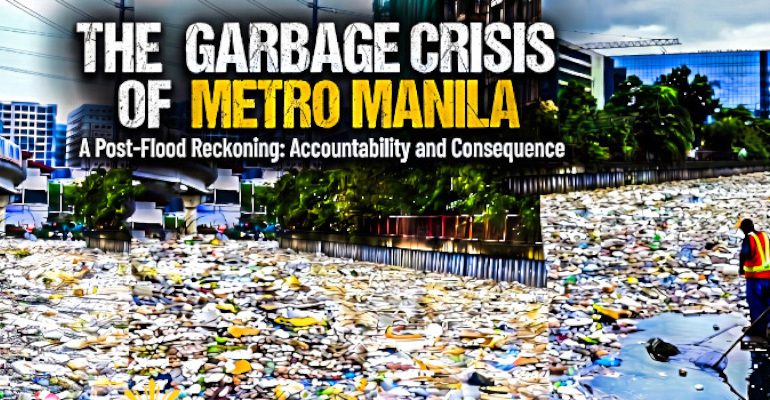
The Garbage Crisis of Metro Manila: A Post-Flood Accountability and Consequence

The image of Metro Manila submerged in floodwater is, tragically, a familiar one. However, in recent years, the visual narrative has shifted from the intensity of the water itself to the toxic legacy left behind when the deluge recedes: thousands of tons of floating garbage. This is not merely a byproduct of a storm; it is the visible manifestation of a systemic urban crisis that has been decades in the making.
The Anatomy of the Crisis
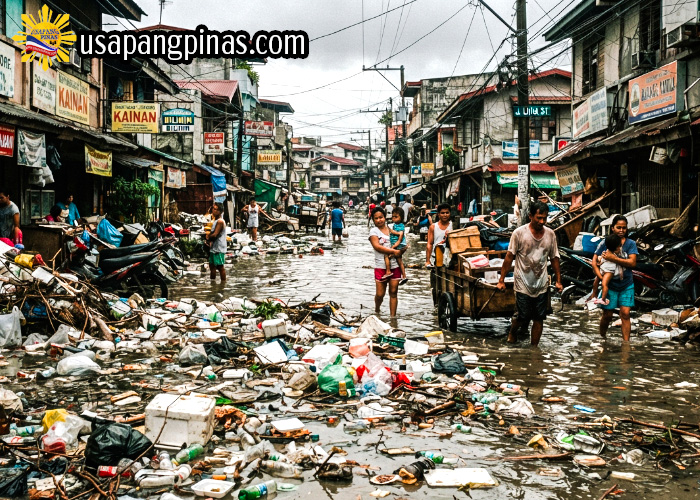
When heavy rains hit the Philippine capital, they do not just bring water; they bring the collective negligence of a sprawling, dense urban center. The drainage systems, already struggling under the weight of outdated infrastructure, become instantly choked with plastic, styrofoam, and domestic waste. As the water rises, it acts as a conveyor belt, lifting layers of accumulated filth from esteros (creeks) and canal banks and depositing them onto main thoroughfares and residential doorsteps.
The sheer volume of waste is staggering. After a major typhoon, Metropolitan Manila Development Authority (MMDA) crew often face the Herculean task of clearing hundreds of tons of refuse within days. This garbage consists primarily of single-use plastics—sachets, bottles, and packaging—that have permeated the local economy.
Systemic Failures: Why the Drains Are Always Clogged
The roots of the garbage crisis are complex, involving a collision of rapid urbanization, insufficient waste management policies, and behavioral patterns rooted in economic necessity.
1. The Sachet Culture
The “tingi” (retail) culture in the Philippines is economically vital but environmentally devastating. Millions of Filipinos rely on small-sized sachets of shampoo, coffee, and detergent because they are affordable daily options. Unfortunately, these multi-layered plastics are difficult to recycle and often find their way into the streets, eventually migrating to waterways.
2. Infrastructure Inadequacy
Many of Metro Manila’s drainage systems were designed for a population and a climate that no longer exist. As the city expanded, infrastructure failed to keep pace. When these narrow pipes are clogged with non-biodegradable waste, they lose their capacity to channel water, turning minor rain events into flash floods.
3. The “Estero” Problem
In many informal settlements, the esteros serve as the only available waste disposal mechanism for residents lacking access to formal collection services. This creates a vicious cycle: trash is dumped in waterways, clogging them, which leads to flooding, which in turn spreads the trash further into the city’s heart.
The Health and Environmental Toll
The aftermath of a flood in Metro Manila is not just an aesthetic blight; it is a public health emergency. When floodwater mixes with household waste, it creates a toxic soup of leptospirosis, E. coli, and heavy metals. Communities wading through these waters are exposed to skin diseases, gastrointestinal issues, and long-term health risks.
Furthermore, the environmental impact on Manila Bay is profound. The bay acts as the final basin for the city’s refuse, turning into a graveyard for plastic debris that suffocates marine life and destroys mangrove ecosystems.
Moving Toward a Sustainable Future
Solving the garbage crisis requires more than just clean-up drives; it demands a fundamental shift in how the city functions.
- Extended Producer Responsibility (EPR): Legislation must hold corporations accountable for the lifecycle of their packaging.
- Modernized Waste-to-Energy: While controversial, there is a growing conversation around high-efficiency waste-to-energy facilities as a component of a larger circular economy strategy.
- Infrastructure Overhaul: The government must prioritize the rehabilitation of drainage systems and the regular desilting of waterways, coupled with rigid enforcement against illegal dumping.
- Empowering Communities: Local government units (LGUs) must be better equipped to provide waste collection services to informal settler families, ensuring there is a viable alternative to dumping trash into waterways.
Conclusion
The garbage crisis in Metro Manila is a reflection of the friction between rapid economic development and environmental stewardship. Until the city treats its waste management infrastructure with the same urgency as its transit projects, the cycles of flooding and filth will continue to define the urban experience. It is time to move beyond reactive clearing operations and toward a proactive, systemic transformation.
Sources & Further Reading
- MMDA Waste Management Initiatives
- Philippine Environmental Management Bureau
- Google Search: Tons of garbage in the Philippines after typhoon
Disclaimer: This article is for informational purposes based on public reports and general observations. The environmental and infrastructure data presented reflects ongoing challenges in Metro Manila and does not constitute official government environmental policy or professional engineering advice.
Share Your Thoughts
What do you think is the most effective way to address the plastic crisis in Metro Manila? Do you believe the solution lies in stricter government regulation or a shift in consumer behavior? Leave your comments below.

